May 2026
Fair wear and tear in Singapore rentals — what it means and how landlords misuse it
The line between normal ageing and tenant damage is where most deposit disputes live. Here's how to read it.
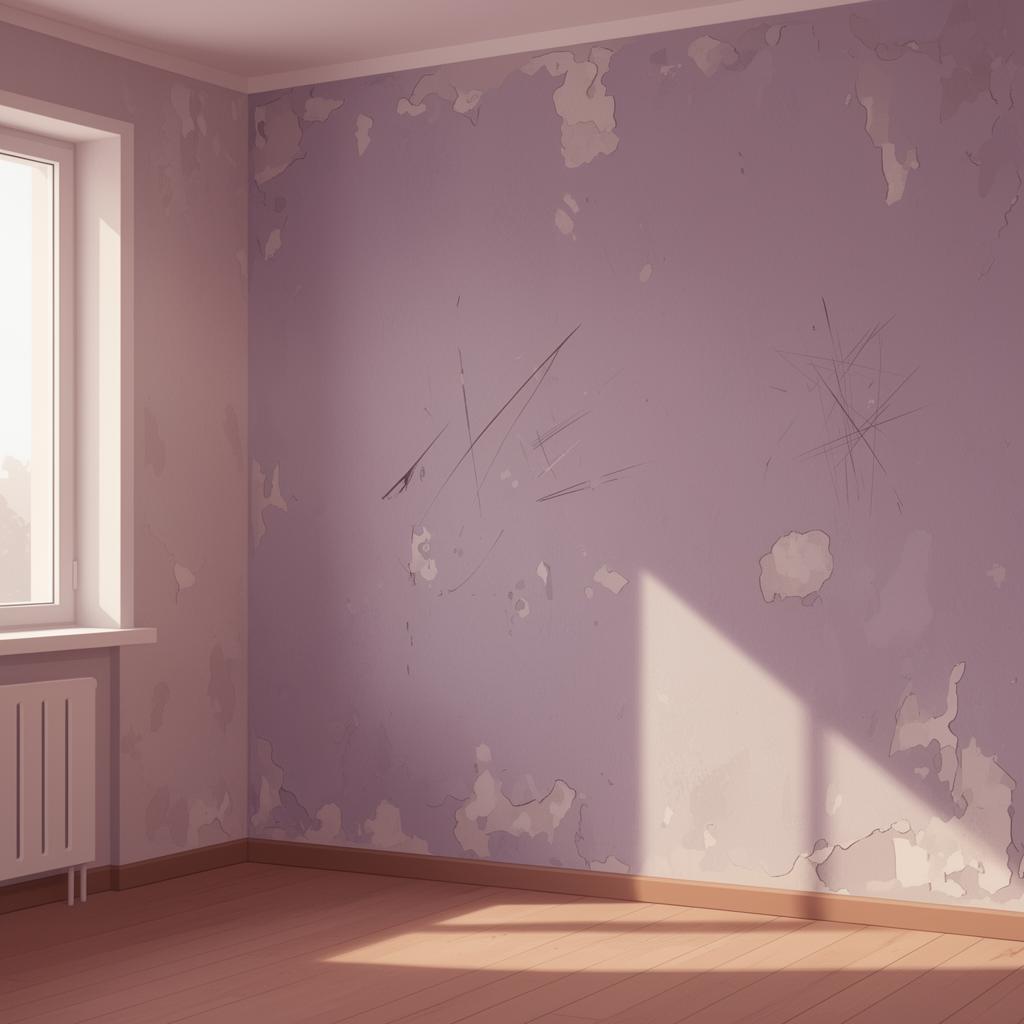
"Fair wear and tear" is the phrase that determines whether you get your deposit back in full. Most tenancy agreements mention it. Almost none define it. Here's what it actually means, and how to protect yourself when a landlord interprets it differently.
1. What does fair wear and tear mean?
Fair wear and tear refers to the gradual, inevitable deterioration of a property and its contents through normal, reasonable use over time. It is the natural ageing that happens even when a tenant takes good care of a unit.
Singapore courts and the Small Claims Tribunal broadly follow the common law principle: a landlord cannot charge a tenant for the passage of time. Paint fades. Grout discolours. Carpets flatten. Hinges loosen. These are costs of ownership, not costs of tenancy.
2. What counts as fair wear and tear?
- Paint that has faded, yellowed, or developed minor scuffs through normal use
- Small nail holes from picture hooks in reasonable quantities
- Carpet wear along high-traffic paths
- Light surface scratches on wooden floors from furniture and normal movement
- Minor staining on grout that has not been caused by neglect
- Loose door handles, hinges, or cabinet fittings that have worn over time
- Fading or slight discolouration of window blinds or curtains from sunlight
The key question is always: would this have happened anyway, to any tenant, through ordinary use over this period? If yes — it is wear and tear.
3. What does not count?
- Holes in walls beyond normal picture hooks — large anchor bolts, mounted TVs without permission
- Burns on countertops, carpets, or flooring
- Stains that go beyond normal use — large watermarks, pet stains, mould caused by inadequate ventilation
- Broken fixtures — cracked tiles, smashed glass, damaged appliances
- Deep gouges or scratches in floors, particularly hardwood
- Damage caused by alterations made without permission
- Missing items from the inventory
These are damage, not wear — and they are legitimate deduction grounds.
4. The grey area — and how it gets disputed
Most deposit disputes live in the grey area: a wall that needs repainting after two years, carpet that looks worn but wasn't pristine at move-in, a bathroom that needed cleaning but not professional restoration.
Landlords often claim a full repaint on the basis of "marks on the walls" even when the marks are normal scuffs from two years of living. The correct approach is betterment — if a wall was last painted four years ago and would have needed repainting in another year anyway, a tenant is responsible for the accelerated cost, not the full cost. In practice, this means a fraction of the repainting bill, not the whole thing.
This is where your move-in photos are decisive. If you can show the walls had existing scuffs, the floors had existing scratches, and the grout was already discoloured — the burden shifts to the landlord to prove you caused the damage they're claiming for.
5. How to protect yourself
At move-in: photograph everything. Every wall, every floor, every appliance, every fitting. Use the inventory checklist and mark anything that is not in perfect condition. Have the landlord or agent countersign it. If they won't, email them a copy and keep the read receipt.
At move-out: photograph everything again from the same angles. Any damage you caused, fix before handover — a $50 tin of matching paint and two hours is cheaper than a landlord-arranged repaint billed at full contractor rates. Do the walkthrough with the landlord present, and get their sign-off in writing before you hand back the keys.
The bottom line
Fair wear and tear is your protection against being charged for time. Landlords cannot bill you for the natural ageing of their property. What they can bill you for is damage — and the line between the two is drawn by your documentation. A phone full of timestamped move-in photos is worth more than any clause in your tenancy agreement.
Before you sign — check what past tenants say
inkwise.club collects anonymous, verified reviews from real tenants. Search your condo address to see how previous residents rate responsiveness, repairs, deposit fairness, and more.
Search a property