May 2026
End of tenancy checklist — what to do before handing back the keys
Most deposit disputes start in the last two weeks of a tenancy. Here's what to sort before you hand back the keys.
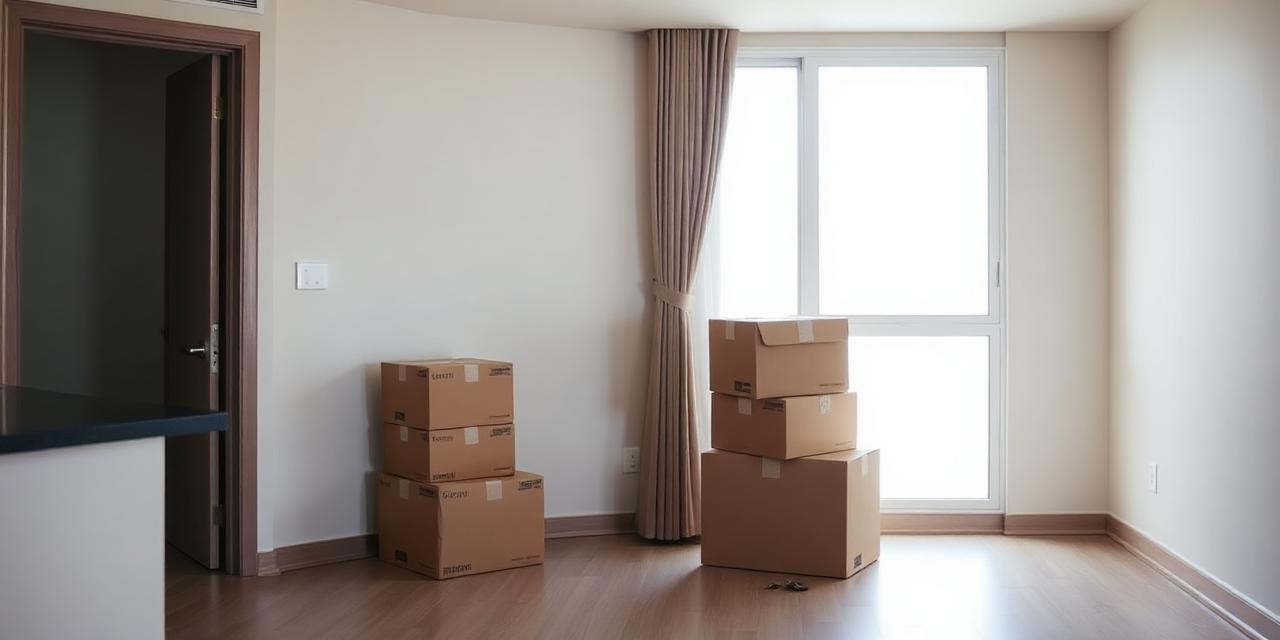
The last two weeks of a tenancy are when most deposit disputes are born. Landlords find things to deduct. Tenants scramble. Documentation goes missing. A systematic approach — started early — avoids most of it. Here's what to work through before you hand back the keys.
1. Give formal notice — and get it in writing
Check your tenancy agreement for the required notice period. Most private rentals in Singapore require one to two months' written notice. Even if you've had a verbal conversation with your landlord, send the formal notice by email or registered post so there's a clear record of when notice was given.
Confirm the exact last day of tenancy and agree on a handover date and time. Any ambiguity about the end date creates grounds for disputes over whether you owe an additional partial month of rent.
2. Book air-conditioning servicing
Almost every Singapore tenancy agreement requires the tenant to service the air-conditioning units regularly — typically every three months — and to do a final service before vacating. If you haven't kept up with this, book it now. Landlords regularly deduct for missed services, and the cost of a professional service ($80–$150 per unit) is less than the cost of disputing a deduction.
Keep the invoice. It's your proof of compliance.
3. Deep clean the unit
The standard expected is that the unit be returned in the same condition it was received, fair wear and tear excepted. In practice, landlords often expect a professional clean — especially in the kitchen (grease), bathrooms (limescale, grouting), and floors.
A professional end-of-tenancy clean in Singapore typically costs $200–$400 depending on unit size and condition. It's cheaper than a landlord-arranged clean billed against your deposit at their preferred contractor's rate. Keep the receipt.
4. Restore the unit — patch walls, fix what's broken
Nail holes, marks on walls, and minor damage accumulated during a tenancy are common deduction points. If you've put up picture hooks, repaint the wall or fill the holes. If you've replaced or moved any fixtures, restore them.
Check every tap, light fitting, electrical socket, window latch, and door handle. What seems trivial to you may be used to justify a deduction. If something was already damaged when you moved in, find the photos you took at move-in. If you didn't take photos, this is a reminder for next time.
5. Handle utilities, internet, and services
Give SP Group (electricity and water) your end date and final meter readings, and arrange for the account to be closed or transferred. Do the same for gas if applicable. If you have a broadband or home line, check whether your contract has an early termination clause — the end of your lease and the end of your broadband contract rarely align perfectly.
Cancel or transfer any recurring deliveries, parking giros, or MCST-issued access cards. Some condominiums charge a fee for unreturned access cards or fobs.
6. Do the inventory walkthrough — before handover, not on the day
Request a pre-handover walkthrough one to two weeks before your move-out date. This gives you time to fix anything the landlord flags before the final inspection, rather than having it noted as a deduction on the handover day with no chance to remedy it.
On handover day, go through the original inventory checklist item by item. Note the condition of every item. Both parties should sign the completed checklist. If the landlord won't sign, take photos with timestamps during the walkthrough as your record.
7. Hand back all keys — and get a receipt
Return every key, access card, fob, and parking tag issued to you. Count them against the list in your tenancy agreement. Get written confirmation — an email or signed receipt — that the landlord has received all keys and accepted return of the unit.
This confirmation is also your evidence of the exact handover date, which matters if there's a dispute about when your liability for rent ended.
8. Know your deposit return timeline — and follow up
Singapore tenancy agreements typically require the landlord to return the deposit within 14 days of the tenancy end date, minus any agreed deductions. If deductions are made, the landlord must provide an itemised breakdown.
If the deposit isn't returned within the agreed timeframe, write to the landlord formally requesting it. If that doesn't resolve it, the Small Claims Tribunal handles security deposit disputes for claims up to $20,000 — the filing fee is $10–$30 and the process doesn't require a lawyer.
Disputes are much harder to win without documentation. Every step above — the signed inventory, the cleaning invoice, the air-con servicing receipt, the key handover confirmation — exists to protect you at this stage.
The bottom line
Most end-of-tenancy problems are documentation problems. Landlords deduct because tenants can't prove the unit was returned in good condition. Start the process six weeks out, keep every receipt, and do a walkthrough before handover day — not on it. If something goes wrong, the Small Claims Tribunal is a realistic option. The process favours whoever kept better records.
Before you sign — check what past tenants say
inkwise.club collects anonymous, verified reviews from real tenants. Search your condo address to see how previous residents rate responsiveness, repairs, deposit fairness, and more.
Search a property